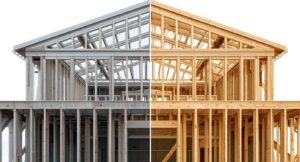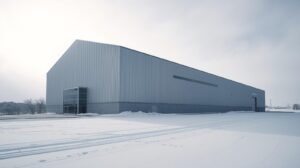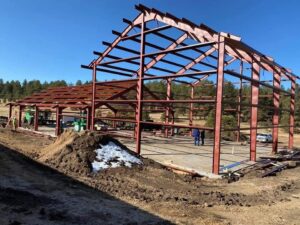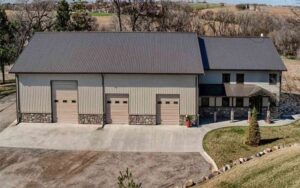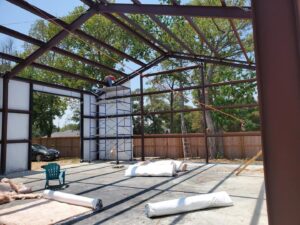

Pre-engineered steel buildings have become a revolutionary force in construction through their exceptional strength and durability. These structures outperform traditional buildings and stand strong against extreme weather. They resist pests and fire better than conventional buildings. The assembly process takes less time and cuts labor costs while speeding up project completion.
Pre-manufactured metal buildings save money over time because they need little maintenance. Steel’s design focuses on saving energy with special roofing materials that reflect heat and proper insulation that keeps utility bills low. The building material’s recyclable nature makes it an eco-friendly choice for today’s construction projects.
Why Pre-Engineered Steel Buildings Are Built to Last
Pre-engineered steel buildings stand out in modern construction because they last incredibly long. These structures can last 50 to over 100 years with proper maintenance, which makes them an outstanding investment. Some steel buildings have managed to keep going strong for over a century, and they outlast traditional construction materials by decades.
Steel’s natural properties make these buildings so long-lasting. Commercial-grade steel has a strength-to-weight ratio—25 times greater than wood. This remarkable material resists common building problems like rot, mold, termites, and water damage.
These buildings excel in tough environments. Their protective coatings inspire exceptional resistance to corrosion, which extends their lifespan even further. They handle extreme weather beautifully, from scorching deserts to snowy mountains and hurricane-prone coastal regions.
Pre-engineered construction shows impressive structural integrity. Prefabricated steel buildings flex when force is applied, unlike wood or concrete. The bolt-and-nut connections allow slight rotation during hurricane-force winds or earthquakes. This vital flexibility prevents structural failure. Steel buildings are nowhere near as likely to collapse under stress as traditional structures.
Steel’s resistance to fire adds to its durability. Non-combustible steel withstands temperatures above 1,200 degrees Fahrenheit. This gives people valuable time to evacuate during emergencies and often leads to lower insurance premiums.
The smart design of these buildings helps them last longer. Engineers carefully design components to spread loads evenly, which keeps the structure balanced even in high winds. A sealed building envelope stops air leaks and water intrusion, which protects the interior from environmental damage.
These remarkable structures need much less maintenance than traditional buildings. Regular inspections and quick fixes for small problems are all you need to keep them standing strong for generations.
Cost and Energy Benefits That Make PEBs Smart
Money plays a crucial role in construction decisions, and pre-engineered steel buildings provide excellent value throughout their lifecycle. These structures cost 10-20% less than traditional construction methods. We achieved these savings through optimized manufacturing and assembly processes.
Pre manufactured metal buildings’ engineering precision eliminates waste materials completely. The structures need less steel because of their lighter weight, which means foundations require less concrete. These buildings weigh 30% less than standard steel structures, which leads to big savings in materials and shipping costs.
Building projects move much faster with pre-engineered construction. The numbers tell the story – Construction times shrink by 20-40% compared to traditional methods. Companies can start operations earlier thanks to this speed. The bolt-together assembly process replaces complex construction techniques and time-consuming welding.
Pre-engineered steel buildings cut labor costs since they need fewer workers. The crew doesn’t need special skills beyond PEB assembly knowledge. The building’s design includes better insulation options that cut heating and cooling costs by 10-20% each year. A typical commercial building could save $2,000-$5,000 yearly.
These buildings’ safety features catch insurance companies’ attention. They often reduce premiums by up to 30% compared to traditional structures. Steel’s resistance to fire, wind, and seismic activity makes this possible.
The tax advantages stand out:
- Section 179D deductions of $2.50-$5.00 per square foot for energy-efficient upgrades
- Accelerated depreciation under MACRS with 25% declining balance rates
- 30% tax credit for integrated solar panels or solar water systems
The numbers add up nicely. A 10,000 square foot facility can save $40,000-$100,000 over 20 years when you factor in upfront savings, lower maintenance costs, energy efficiency, and tax benefits. These buildings’ financial benefits and durability make them a smart choice for modern construction projects.
Design Flexibility and Sustainability in Modern Construction
Pre-engineered steel buildings have evolved beyond basic, boxy designs. State-of-the-art developments have changed these structures, which now expand well beyond the traditional “metal box” appearance. The construction industry offers remarkable design versatility while maintaining the economic and structural advantages that make these buildings attractive.
Pre-engineered steel buildings today can accommodate any exterior finish. Brick, stucco, stone veneer, EIFS, decorative block, glass, and even rustic-looking wood are all possible options. These buildings blend naturally with surrounding architecture or create bold statements based on the owner’s vision. Advanced structural systems now support various exterior options among sophisticated interior finishes like drywall.
The building’s design excels in interior flexibility. The steel structure’s self-supporting nature eliminates the need for interior support columns. Owners can freely configure expansive, column-free spaces without worrying about load-bearing walls. Business growth and changing needs allow for simple and cost-effective interior remodeling.
Pre-manufactured metal buildings stand out in sustainability. The steel framing contains 89.5% recycled content, making it an environmentally responsible choice. Steel maintains its strength through endless recycling cycles, which helps reduce construction waste in landfills.
These buildings optimize energy efficiency through insulation systems that significantly reduce heating and cooling costs. Their tight building envelope prevents air leaks commonly found in older wood-framed structures. Solar panels and other renewable energy sources can be added to pre-engineered steel buildings.
These structures can meet requirements for LEED certification through green site usage, energy-efficient building envelopes, and recyclable materials. Their adaptability makes them even more valuable—owners can dismantle and reassemble them elsewhere, expand them horizontally or vertically, or widen them as needed.
Pre-engineered steel buildings represent an integrated approach to sustainable construction. They balance environmental responsibility with practical functionality and esthetic appeal throughout their lifecycle.
To Wrap it Up
Pre-engineered steel buildings lead the pack in modern construction with benefits that traditional building methods can’t match. This piece highlights how these structures outperform in every aspect that property owners and developers value. Their remarkable durability helps them withstand extreme weather conditions that would damage conventional buildings, lasting 50-100+ years.
The cost analysis definitely favors pre-engineered options. These buildings need nowhere near the original investment compared to traditional construction methods and cost 10-20% less. They also help owners save thousands each year through reduced maintenance costs and energy-efficient features.
Modern pre-engineered buildings have broken free from the “metal box” stereotype, which might come as a surprise to many. These structures adapt to any exterior finish and create column-free interiors that evolve with business needs. The buildings’ sustainability credentials are impressive too – steel’s recyclability and potential LEED certification make them an environmentally responsible choice among other features.
The facts tell a compelling story. Pre-engineered steel buildings combine strength, affordability, flexibility, and sustainability perfectly. These structures represent smart construction’s present and future, whether you use them for commercial, industrial, or residential projects. After evaluating all aspects, pre-engineered steel buildings prove themselves as more than just an alternative to conventional construction – they emerge as the superior choice for progressive builders and owners.