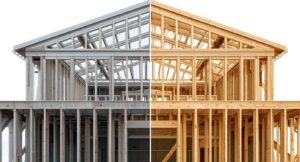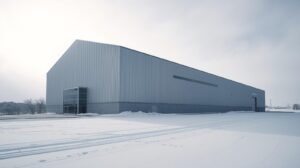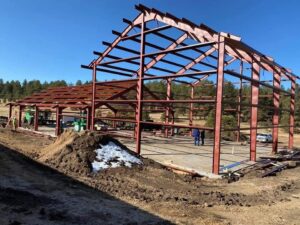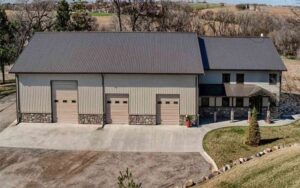
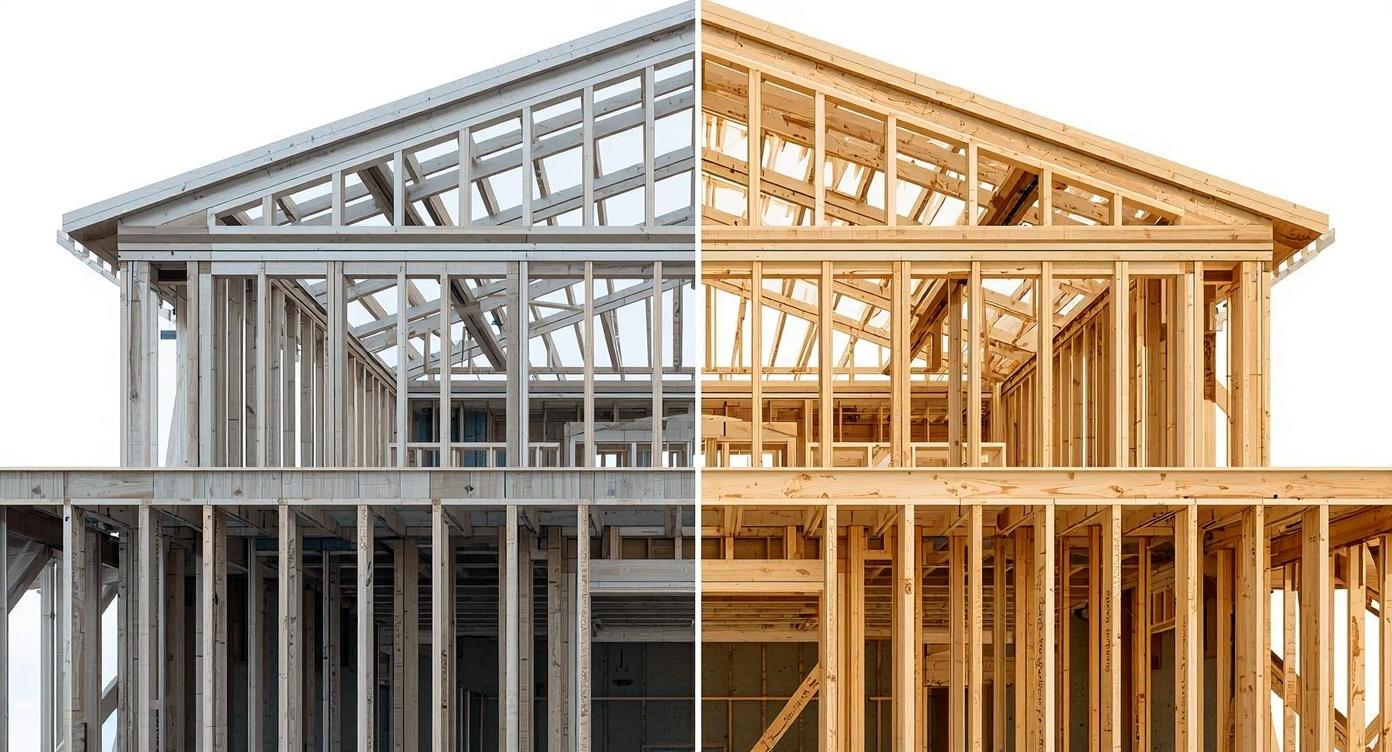
For decades, wood framing was the default for everything from family homes to ag buildings. That’s changing fast. Across the country, more property owners are choosing steel over wood, and the shift isn’t just about strength. It’s about insurance costs, fire risk, termite damage, lumber price volatility, and what holds up over a 50 year horizon.
If you’re weighing steel against wood for a new build, this is what the numbers and the engineering actually say. At Mason Steel Buildings Corp., we’ve watched this conversation evolve as homeowners, farmers, contractors, and developers ask the same question: which framing material gives me the best long term value? Here’s the honest breakdown.
Why Wood Used to Win (and Why That’s Changing)
Wood framing has held its ground for a simple reason: it’s been cheap and familiar. Lumber is widely available, most general contractors have framed with it for decades, and the upfront material cost is usually lower than steel.
But wood’s advantages have eroded over the last several years. Lumber prices have swung wildly, in some periods making steel cost competitive on day one. Insurance premiums for wood framed buildings in fire prone and high wind regions have climbed sharply. And the maintenance burden, which most buyers don’t think about until year five or ten, adds up to real money over the life of the building.
Wood is still a fine choice in the right context. But for buyers planning to own and use the building for decades, steel has pulled ahead in nearly every category that matters.
Where Steel Wins on Performance
This is where the comparison gets one sided. According to industry research from groups like BuildSteel.org, cold formed steel framing offers strength, durability, and fire resistance advantages that translate directly into lower long term costs.
Fire resistance. Steel is non combustible. It doesn’t ignite, doesn’t fuel a fire, and doesn’t contribute to the spread. Wood is combustible by nature, which is why building codes restrict its use in larger or higher risk structures. In wildfire prone regions, this difference is the difference between a total loss and a building that survives.
Pest and rot immunity. Termites, carpenter ants, and wood boring insects cause an estimated $5 billion in damage to U.S. structures every year. Steel is inorganic. Termites can’t eat it, mold doesn’t grow on it, and rot has nothing to feed on. That’s a maintenance line you can delete from your budget for the life of the building.
Weather and seismic performance. Steel handles wind, snow, and seismic loads with engineered precision. A pre engineered Mason Steel building can be certified for wind ratings up to 170+ mph and engineered for the specific snow loads in your zip code. Wood framed structures in the same conditions require heavier framing, more bracing, and tighter fastening to come close to the same performance.
Dimensional stability. Steel doesn’t warp, twist, shrink, or settle. The framing stays straight and true for the life of the building, which keeps walls plumb, doors aligned, and finishes intact. Wood expands and contracts with humidity, and over the years that movement causes drywall cracks, sticking doors, and uneven floors.
The Insurance Story Most Buyers Don’t Hear About
This is the angle that’s quietly driving a lot of 2026 framing decisions. Insurance carriers have spent the last several years adjusting premiums based on real claim data, and the data overwhelmingly favors steel.
Industry reporting from the American Iron and Steel Institute and Steel Framing Industry Association has documented that steel framed buildings can qualify for premium reductions of 15 to 30 percent compared to comparable wood framed structures. In fire prone or hurricane prone regions, the gap can widen further, and some carriers are starting to limit or surcharge wood framed builds in the highest risk zones.
The math gets compelling fast. On a building you’ll insure for 30 or 40 years, even a 15 percent annual premium savings adds up to thousands of dollars. That premium gap alone can cover the difference in framing cost.
What About Upfront Cost?
Steel is sometimes more expensive on day one. But the comparison flips when you factor in everything that comes after.
A pre engineered steel building kit eliminates a lot of the variables that drive wood framing costs up. The components arrive pre cut, pre punched, and engineered to fit. There’s no waste pile of trimmed lumber, no need for skilled framers to measure and cut on site, and no risk of warped boards or grade variation. Assembly is faster, which means lower labor costs.
Add up the lifetime numbers and steel typically wins:
- No termite treatments. Wood framing in pest prone regions often requires ongoing treatments every 2 to 5 years.
- No rot repair. Moisture damaged wood is a common multi thousand dollar repair line over the life of a building. Steel doesn’t rot.
- Lower insurance premiums. Compounded over decades, this is often the single biggest savings.
- Less maintenance. Steel framed buildings need cleaning, inspection, and occasional repainting of the exterior. Wood needs all of that plus pest control, sealing, and structural repairs.
- Longer lifespan. A properly maintained steel building can last 60+ years. Mason Steel backs every kit with a 60 year structural warranty, the strongest in the industry.
When Wood Might Still Make Sense
Honesty matters here. Wood isn’t wrong for every project. Small residential additions, traditional aesthetic builds where exposed wood framing is part of the design, or projects in regions with abundant low cost lumber and minimal pest pressure can still pencil out fine with wood.
But for almost every commercial, agricultural, residential garage, workshop, warehouse, or barndominium project, steel is the smarter long term play. The performance advantages, the insurance savings, and the maintenance reduction stack up in steel’s favor every time.
Build With Steel That’s Engineered for Your Site
Every Mason Steel building is custom engineered for your zip code, certified to meet your local wind, snow, and seismic codes, and shipped from the nearest of 20 factory and distribution hubs nationwide. Free shipping is included with every kit. Hundreds of completed projects across all 50 states are showcased in the project gallery.
Ready to find out what a steel building costs for your specific project? Request a free quote and a Mason Steel Buildings Consultant will walk you through your options, your engineering, and your timeline with full transparency.
Phone: 877 76 STEEL (877 767 8335)