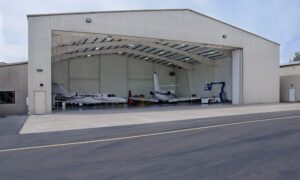

Steel building kits can save you 40% on costs when compared to traditional stick-built homes. These durable structures serve as a popular choice for modern homebuilding. The buildings last 50-100 years and need minimal maintenance. They also resist moisture, pests, and fire damage effectively.
Building a steel house or getting steel building frame kits needs careful planning. The total costs range from $24 to $100+ per square foot, which includes delivery and installation. Smart buyers need to make informed decisions. This detailed guide will help you review your options and avoid common pitfalls when you purchase metal building kits online.
Planning Your Steel Building Home Purchase
A successful steel building project needs proper planning before you rush to buy kits online. Your project’s success depends on mapping out critical details that will save you from headaches and expenses later.
Determining Your Space Requirements
Understanding your building’s purpose is the first step in planning your steel home. The size and layout requirements depend on your intended use. You should think over these aspects:
- Future expansion needs
- Local setback requirements that may limit dimensions
- Interior layout flexibility (steel buildings offer clear-span designs)
- Common residential sizes ranging from 900 square feet (30x30x12) to 10,000+ square feet (50x100x20) and much larger as needed
Note that customers often say “I wish I had chosen a slightly larger building”. You might want to go one size larger to meet future needs if you’re unsure.
Setting a Realistic Budget
A complete steel building home costs between $100-$245+ per square foot including labor and materials. Here’s the breakdown:
- Base steel building kit: $17-$50+ per square foot
- Foundation/concrete work: $5-$10 per square foot
- Interior finishing: $40-$200+ per square foot (depending on quality)
- Delivery: Usually 5-10% of the kit price
Your budget should include a 5-10% construction contingency to cover unexpected costs like rising steel prices or site challenges.
Understanding Local Building Codes and Permits
Building permits are mandatory for steel structures, especially within city limits. The permit process includes:
- Checking zoning limitations for your site
- Submitting certified building plans and foundation designs
- Getting approval before breaking ground
Missing permits can lead to fines, forced reconstruction, and property sale difficulties. On top of that, it’s worth noting that reliable steel building manufacturers won’t ship a building that doesn’t meet local code requirements.
Creating a Timeline for Delivery and Construction
Steel buildings need careful scheduling from order to completion:
- Permit application: Varies by location, from days to months
- Delivery waiting period: Up to 12 weeks after design approval
- Construction time: Depends on building size and crew experience
Your project’s best results come from avoiding winter construction and staying ahead of the busy building season. Weather delays can impact your timeline significantly as they cause most construction setbacks.
Essential Components of Quality Steel Building Kits
Quality steel building kits need the right components to make a smart purchase. These components impact your home’s structural integrity and how well it stands up to weather over time.
Primary Structural Framework
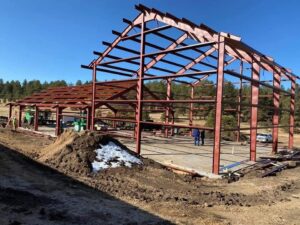
Steel building’s backbone transfers the structure’s weight to the foundation. High-grade U.S. steel columns and rafters connect to form the main support ribs. The frames sit up to 20-25 feet apart to create “bays”. Corner columns and endwall rafters complete the structure. Your design requirements might need extra support posts to ensure stability.
Secondary Framing Elements
Secondary framing stabilizes the main frame and stops it from twisting while supporting wall and roof panels. You’ll find these key components:
- Purlins: Z-shaped horizontal members (2½” x 8″) support roof panels and run across the primary steel
- Girts: C-shaped horizontal supports (2½” x 8″) attach to wall columns and handle wind loads
- Eave struts: C-shaped members (8″ x 5½” x 3¼”) sit where roof meets walls to support both roof and wall panels
These secondary elements use cold-formed high-quality steel sheets that make them strong and affordable.
Roofing and Wall Panel Options
Steel building homes use tough exterior panels that protect against weather for decades. Most manufacturers use 26-gauge Purlin Bearing Rib (PBR) panels for walls with Galvalume® coating to fight rust and corrosion. These panels come with 30-year guarantees and multiple color options. The roof can use standard PBR panels or upgraded 24-gauge standing seam roof panels. Standing seam panels don’t need screw penetration and resist weather better.
Fasteners and Connectors
Small components play a big role in your steel home’s integrity. Premium steel buildings use high-strength bolts for frame connections and self-drilling screws with weather-resistant EPDM washers to attach panels. Quality fasteners fight rust, UV damage, and ozone wear. The best manufacturers provide die-cast zinc-head aluminum screws that offer excellent torsion strength and lifetime warranties against corrosion.
How to Compare Online Steel Building Vendors
The right vendor can make or break your steel building kit project. Your steel house’s quality depends on the company you choose. Let’s break down how to review potential suppliers the right way.
Evaluating Manufacturer Credentials
The company’s track record matters a lot. Many 20+ year old manufacturers mentioned in reviews have proven their worth. Their Better Business Bureau rating tells a story – an A+ rating suggests you can trust them. Make sure they have proper insurance and licensing to protect your investment. Multiple shipping points throughout North America can substantially cut down freight costs.
Reading Customer Reviews and Testimonials
Microsoft’s data shows that 96% of consumers think customer service shapes their brand choices. The numbers paint a clear picture – 89% of customers switch brands after bad service. Look for patterns in feedback instead of focusing on single reviews. High numbers of repeat customers say a lot – one quality manufacturer gets 30% of sales from returning customers and referrals. These numbers suggest strong customer satisfaction.
Comparing Warranty Offerings
Each vendor’s warranty package looks different:
- Structural warranties: Range from 20-30 years to lifetime guarantees
- Panel warranties: Typically 10-40 years depending on gage
- Paint warranties: Usually 30-40 years for premium finishes
- Workmanship warranties: Often 30 days for installation issues
Read the fine print carefully – some warranties only cover specific types of damage or failure.
Assessing Customer Support Quality
Real building professionals should answer your questions, not overseas call centers reading scripts. The best suppliers have knowledgeable specialists with years of industry experience. Good vendors solve problems quickly and stick with you after the sale. Quality steel building frame kit suppliers provide support throughout your building journey.
Hidden Costs When Building a Steel House
Steel building kit prices don’t tell the whole story when you build a steel house. You should know these hidden costs up front to avoid budget surprises and project delays.
Foundation Requirements
Your steel structure needs a solid foundation – no way around it. Site preparation for a 6,000-square-foot area can set you back anywhere from $3,800 to $26,000. This cost breakdown includes soil testing ($700-$1,800), site clearing ($780-$12,000), and land leveling ($2,400-$12,000). The concrete foundation costs between $6,000 and $68,000, depending on your building’s size and purpose. You’ll also need engineer-designed foundation plans that add $3,000-$6,000. Buildings 32′ wide and larger need thicker concrete (minimum 4″) with deeper footings (minimum 24″x24″).
Delivery and Unloading Expenses
Many people think delivery comes with their steel building kit price – it usually doesn’t. Shipping adds 4-7% to your total package cost, and rates go up based on how far you are from the manufacturer. The distance between you and different vendors can substantially affect your bottom line.
Professional Assembly vs. DIY Considerations
You can save about 5% on building costs with DIY installation. In spite of that, professional installation offers expertise, efficiency, and warranty protection. Smaller structures like garages or workshops work fine for self-installation. Larger buildings need professional crews to avoid installation errors that can get pricey. Yes, it is true that most steel building problems come from poor installation. Your warranty might become void if certified professionals don’t do the work.
Insulation and Finishing Costs
Insulation costs a lot upfront but pays off over time. A $100 monthly energy savings adds up to $24,000 over 20 years. Here are common options:
- Fiberglass Insulation: $1.40-$3.50/sq+ ft depending on R-value
- Spray foam: $1.50/sq+ ft per inch thickness (only R-7 per inch), making a R-25 application cost around $5.25/sq ft
Interior finishing prices vary from basic to luxury. Framing and drywall run $8-$18/sq ft, while electrical and plumbing rough-ins add $2-$6/sq ft each. The total interior build-out ranges from almost nothing for basic structures to over $100/sq ft for fully finished homes.
Let’s Recap
Steel building kits are an affordable way to build modern homes, but their success relies on smart planning and good decisions. These structures can save you up to 40% compared to traditional construction. They last 50-100 years and need very little maintenance.
Your journey starts with a clear picture of your space needs and budget limits. The quality of components matters a lot – from primary framing to fasteners. These parts determine how long your steel building will last. You should really look into potential vendors. Take time to check their credentials and what their customers say before you decide.
Foundation work, delivery costs, and finishing needs are expenses that should be part of your original plan. While doing it yourself might save money at first, professional assembly often costs less in the long run, especially for bigger buildings.
Note that a steel building kit is a major investment for years to come. Getting the full picture – from local building codes to insulation choices – will ensure your steel building serves you well for decades.
FAQs
Q1. How long do steel building homes typically last?
Steel building homes are known for their durability, with a typical lifespan of 50-100 years when properly maintained. Their resistance to moisture, pests, and fire contributes to their longevity.
Q2. What are the cost savings of steel building kits compared to traditional homes?
Steel building kits can offer impressive cost savings of up to 40% compared to traditional stick-built homes. The total costs typically range much lower than traditional stick built homes.
Q3. What are the essential components to look for in quality steel building kits?
Quality steel building kits should include a sturdy primary structural framework, secondary framing elements like purlins and girts, durable roofing and wall panels, and high-strength fasteners and connectors designed to resist corrosion and weather damage.
Q4. How long does it take to construct a steel building home?
The construction timeline for a steel building home varies depending on factors such as size, complexity, and crew experience. It typically includes time for permit application, delivery (up to 12 weeks after design approval), and the actual construction process.
Q5. What are some hidden costs to consider when building a steel house?
Hidden costs to consider include foundation requirements (site preparation and concrete work), delivery and unloading expenses, professional assembly fees, and insulation and interior finishing costs. These can significantly impact the overall budget and should be factored into initial planning.